Common mistakes when hiring rubbish removal in Knightsbridge
Posted on 26/06/2026
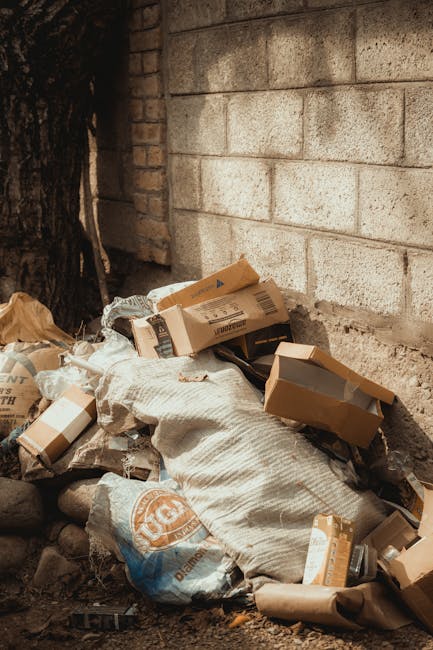
Hiring rubbish removal in Knightsbridge should feel straightforward, but it often turns messy fast. One minute you're clearing a flat near Sloane Street, the next you're chasing a van that has not turned up, wondering why the quote doubled, or worrying whether the waste was handled properly. The common mistakes when hiring rubbish removal in Knightsbridge are usually simple ones - but they can lead to delays, extra charges, access problems, and a whole lot of avoidable stress.
This guide breaks down the traps people fall into, how the process should work, and what to check before you book. Whether you are clearing furniture, builders' waste, domestic clutter, or a full house clearance, the aim is the same: get it done properly, without drama.
Why common mistakes when hiring rubbish removal in Knightsbridge matters
Knightsbridge is not the place to be casual about clearance work. Streets can be tight, parking can be awkward, and access is often the real issue, not the rubbish itself. A poor booking can create knock-on problems very quickly: missed collection windows, blocked entrances, awkward conversations with neighbours, or waste left sitting outside longer than you intended. Not ideal when you are dealing with a mews property, a terrace, or a managed apartment building.
It also matters because rubbish removal is not just about lifting and loading. It is about sorting, transportation, safety, disposal routes, and in many cases compliance. If you choose badly, you may end up paying for a service that is rushed, underinsured, or simply not set up for your type of waste. And let's face it, nobody wants to realise that after the van has gone.
For many people in Knightsbridge, the real cost of a mistake is not only money. It is time. It is disruption to residents, tenants, staff, or tradespeople. It is the awkward job of trying to fix a problem that should never have happened. A good booking removes the stress. A bad one creates it.
How common mistakes when hiring rubbish removal in Knightsbridge works
The process sounds simple: you request a quote, the team visits or confirms the load, they remove the waste, and it is disposed of appropriately. In practice, the smoothest jobs usually depend on a lot of small details being clear from the start. What type of waste is involved? How much space does it take up? Is there lift access? Can a van stop nearby? Do you need same-day removal, or is the timing flexible?
That is where mistakes begin. People often describe the job too loosely, or they assume all rubbish is the same. It isn't. Builders' rubble, office furniture, white goods, garden cuttings, and general household clutter all have different handling needs. Even within one category, the practical side matters. A single bulky wardrobe in a fourth-floor flat is a very different job from a few black bags at ground level.
In good practice, the provider should ask questions that help shape the job properly. If they do not, that is often a clue. You can also make life easier by checking relevant service pages in advance, such as the services overview, pricing and quotes guidance, and waste carrier licence and compliance information. Those pages are useful because they help you understand what should be explained before any booking is confirmed.
Key benefits and practical advantages
Choosing the right rubbish removal service in Knightsbridge does more than clear floor space. It can save you time, reduce risk, and make the whole task oddly uneventful in the best possible way. That is the goal, really - boringly smooth.
- Less disruption: a well-planned collection keeps hallways, entrances, and pavements clear.
- Better cost control: a clear quote reduces the chance of surprise extras.
- Safer handling: trained teams can move heavy or awkward items without damaging walls, floors, or lifts.
- Compliance confidence: reputable firms are more likely to handle waste responsibly and document it correctly.
- Smarter recycling: waste that can be separated is more likely to be diverted properly when the process is organised well.
There is also a quieter benefit that people often miss: peace of mind. When a job is booked properly, you are not standing by the door on collection day wondering whether the team will know how to deal with a basement access point, whether the sofa will fit through the stairwell, or whether the quote was based on guesswork.
If environmental responsibility matters to you, it is worth reviewing a provider's approach to recycling and sustainability. A good process is not just tidier; it is usually more respectful of the waste stream too.
Who this is for and when it makes sense
This guide is for anyone arranging rubbish removal in Knightsbridge, but especially for people dealing with awkward access, larger items, or a deadline. If you are moving out, refurbishing, downsizing, clearing after tenants, or dealing with renovation debris, the margin for error is smaller than you think.
It makes sense if you are:
- a homeowner clearing stored clutter or old furniture
- a tenant who needs to leave a property clean and on time
- a landlord arranging end-of-tenancy clearance
- a property manager dealing with bin stores, bulky waste, or communal areas
- a business owner clearing office furniture or commercial waste
- a tradesperson needing builders' waste removed after a job
Different situations need different services. For example, a mixed household clearance may suit domestic waste collection in Knightsbridge, while a refurbishment project is more likely to need builders' waste removal. A business clearing a storeroom or office might need commercial waste removal instead.
And yes, furniture and appliances are their own little world. They are awkward, heavy, and a bit smug about it. If that is your situation, look at furniture removal and white goods and appliance disposal before you book anything.
Step-by-step guidance
Here is the simplest way to avoid the usual hiring mistakes.
- List exactly what needs removing. Be specific. "Some rubbish" is too vague. Say whether it is bags, furniture, mixed waste, rubble, appliances, or garden cuttings.
- Check the access. Think about stairs, lifts, parking, loading distance, and whether the van can stop nearby. In Knightsbridge, this part often decides how smooth the job will be.
- Ask for a clear quote. Make sure the quote explains what is included, what might change the price, and whether labour, loading, and disposal are covered.
- Confirm timing. Same-day jobs can be useful, but only if the provider is genuinely ready. If you are in a hurry, read about same-day rubbish removal in Knightsbridge and how to avoid hidden charges.
- Check compliance basics. You want a provider that can explain how waste is carried, sorted, and disposed of properly.
- Prepare the site. Move small items, open gates, protect hallways if needed, and let building staff know if access needs arranging.
- Get the final confirmation in writing. A short message or email can save a lot of back-and-forth later.
That sounds simple because, honestly, it should be simple. The hassle usually starts when people skip one of those steps and hope for the best. Hope is nice. Planning is better.
Expert tips for better results
After enough clearance jobs, a few things become obvious. First, the cheapest quote is rarely the most useful one if it excludes access, labour, or disposal assumptions. Second, a provider who asks thoughtful questions usually saves you money in the end because they are less likely to improvise on site. Third, the shape of the property matters just as much as the amount of waste.
For Knightsbridge specifically, always think about access first. Mews houses, terraces, basement flats, narrow entrances, and managed buildings can make a straightforward job a bit fiddly. If that sounds familiar, the article on access problems in Knightsbridge mews and terraces is especially relevant.
Also, if you are clearing a flat with bulky items, do not underestimate the time needed for dismantling or careful carrying. A sofa that looks easy can become awkward in a stairwell, and a chest of drawers may need partial disassembly. Small detail, big difference.
Expert summary: the safest way to hire rubbish removal in Knightsbridge is to describe the waste clearly, confirm access honestly, and check the provider's compliance and pricing before collection day.
One more thing: ask what happens if the load turns out to be different from the description. A transparent company will explain this calmly. A vague one will make you feel a bit trapped. You do not want that feeling. Not at all.

Common mistakes to avoid
Here is the heart of the matter. These are the mistakes that cause most of the headaches.
1. Choosing only on price
A low headline price can look appealing, especially when you just want the clutter gone. But if the quote is too thin, the final bill may rise once labour, loading time, stair carries, parking, or waste type are added. If a quote feels strangely cheap, ask what is missing.
2. Not describing the waste accurately
People often underestimate how much they have. That is normal. We all do it. But under-describing the job can lead to re-quotes or a van that is too small. Be honest about volume and waste type. A quick photo can help, but it should be backed by a clear description.
3. Ignoring access issues
In Knightsbridge, access is often the hidden challenge. Forgetting to mention steps, basements, tight corners, concierge rules, or restricted parking can throw the whole booking off. If the crew arrives unprepared, time is wasted and costs can rise.
4. Failing to check compliance
Waste should not simply disappear into a van and become someone else's problem. You need confidence that it will be handled legally and responsibly. That is why checking waste carrier licence and compliance matters more than many people realise.
5. Forgetting insurance and safety
If something gets damaged during removal, or if the job involves moving heavy items through communal spaces, insurance and safety practices matter. A proper provider should be able to explain how they protect both people and property. You can also review insurance and safety information in advance.
6. Not reading the terms
Yes, terms and conditions are boring. No one enjoys them. But they often explain the very things people later complain about: cancellations, access delays, excluded waste types, and payment timing. It is worth reading the basics.
7. Leaving it until the last minute
Same-day collections can work, but only if you have enough information ready. A rushed booking leaves less room to verify the quote or check whether the provider is a good fit. In a busy area, that can mean compromise.
8. Assuming every service is the same
A house clearance, a furniture pickup, a builders' skip alternative, and a commercial clearance are not interchangeable. Each has different logistics. If you use the wrong service type, you may end up paying more for less suitable handling.
One short, practical truth: the better the briefing, the better the result. It really is that straightforward.
Tools, resources and recommendations
You do not need fancy software or a giant spreadsheet to hire rubbish removal well. But a few simple tools can help.
- Phone camera: take clear photos of the waste and access points.
- Simple room list: note where items are located, especially in multi-level properties.
- Measurement tape: useful for bulky furniture, appliances, and tight doorways.
- Building instructions: if your block has lift booking rules or loading restrictions, keep them handy.
- Internal service pages: review services overview, pricing and quotes, and the relevant service page for your waste type.
For readers with a specific situation, these pages can also be useful starting points: house clearance for whole-property jobs, garden waste removal for outdoor clear-ups, and appliance disposal for fridges, washing machines, and similar items.
If you want to understand the company a bit more before booking, the about us page and payment and security page are sensible places to look. They tend to tell you a lot about how seriously a provider takes its work.
Law, compliance, standards, or best practice
For rubbish removal, the main point is not to guess. Responsible operators should be able to explain how waste is collected, transported, and handled in line with UK expectations and normal industry practice. You do not need to become a compliance expert yourself, but you should expect clear answers.
At a minimum, look for:
- clear identification of the waste carrier
- responsible disposal routes for mixed or bulky waste
- safe handling practices for heavy items
- straightforward payment terms
- transparent terms and conditions
- an obvious commitment to recycling where practical
It is also sensible to check that the provider has visible policies on privacy and accessibility where relevant, especially if you are dealing with a building manager, estate office, or organised commercial site. That is why pages such as privacy policy, accessibility statement, and terms and conditions can be more useful than people expect.
And if ethical supply-chain practices matter to you, it does no harm to review the company's modern slavery statement. That kind of page says something about the standards a business wants to uphold. Quietly important, that.
Options, methods, or comparison table
Different rubbish removal methods suit different jobs. Here is a simple comparison to help you choose more wisely.
| Option | Best for | Pros | Watch out for |
|---|---|---|---|
| Man and van rubbish removal | Mixed household items, bulky waste, small to medium clearances | Flexible, quick, often easier for access-heavy streets | Pricing can shift if the load is poorly described |
| Specialist furniture removal | Sofas, wardrobes, tables, beds | Better handling for awkward items | May not suit mixed waste unless confirmed |
| Builders' waste removal | Renovation debris, rubble, packaging, site clear-up | Designed for construction-type waste | Heavier loads and access requirements need careful planning |
| House clearance | Whole rooms, full properties, probate or moving situations | Most comprehensive for larger jobs | Needs clear instructions and item priorities |
| Commercial waste removal | Offices, retail, hospitality, storage rooms | Suitable for scheduled and recurring collections | Must fit building and business access rules |
If you are unsure which route fits, start with the service that best matches the waste type, then ask the provider to confirm whether the job needs any extra handling. That is much better than guessing and hoping the team can "just deal with it".

Case study or real-world example
A typical Knightsbridge scenario goes like this. A resident in a top-floor flat near a busy shopping street needs a sofa, a mattress, and several bags removed before a refurbishment starts the next morning. The first quote looks fine, but it assumes easy ground-floor access. Nobody has mentioned the narrow staircase, the lack of nearby parking, or the fact that building access has to be booked with the porter.
On collection day, the team arrives but cannot park close enough without delay. The lift is too small for the sofa. The job takes longer than expected, and the final price changes. No one is thrilled.
Now compare that with a better approach. The resident sends photos, explains the access route, confirms the items, and checks the quote against the building's rules. The provider knows in advance what to bring and how long to allow. The collection still takes effort, but it is calm, efficient, and over before lunch. That is the difference a good booking process makes. Ordinary on the surface, but hugely better in practice.
For readers dealing with similar access issues, the local guide on bulky rubbish removal in Knightsbridge flats is worth a look. It reflects the kind of practical trouble that crops up again and again in this part of London.
Practical checklist
Use this checklist before you book:
- Have I listed every item or waste type clearly?
- Have I mentioned stairs, lifts, basement access, or parking limits?
- Do I know whether the provider handles my exact type of waste?
- Is the quote clear about labour, loading, disposal, and possible extras?
- Have I checked the company's compliance and insurance details?
- Do I know the collection window and any building access rules?
- Have I asked what happens if the load is bigger than expected?
- Do I understand the payment terms before collection day?
- Is recycling or reuse part of the process where possible?
- Have I saved the booking details in writing?
If you can tick most of those off, you are already ahead of many people. Honestly, that is half the battle.
Get a free quote today and see how much you can save.
Conclusion
The biggest mistakes when hiring rubbish removal in Knightsbridge are usually not dramatic. They are small oversights: unclear descriptions, rushed quotes, ignored access issues, and skipping the compliance checks that would have taken two minutes. But those little gaps can make a simple clearance job become awkward, expensive, and stressful.
If you slow down just enough to describe the waste properly, confirm the access honestly, and choose a provider with clear terms and sensible practices, the whole process becomes much easier. That is especially true in Knightsbridge, where property layouts and street access can make or break a booking.
Get the basics right, and the rest tends to fall into place. Calmly, neatly, and without the usual faff.


