







21/10/2026
If you need rubbish gone quickly in Knightsbridge, you are usually juggling three things at once:...
Rubbish Clearance Knightsbridge provides rubbish clearance in Knightsbridge for homes, flats, managed buildings and business premises that need items removed without fuss. The service is built around practical collections of unwanted waste, bulky items and mixed rubbish, with a clear focus on sensible sorting and responsible disposal. If you need a straightforward way to clear clutter, empty rooms or remove trade waste, our approach keeps the process simple from the first enquiry through to collection.
We handle a broad range of clearances, including domestic waste, furniture, appliances, garden waste, builders' debris and commercial rubbish. That means you can use one local service for different types of waste rather than arranging separate removals for every job. Our aim is to make the removal itself feel orderly, with enough flexibility to suit smaller clearances as well as larger one-off jobs. Start with the services overview if you want a quick sense of the options available.
For a quote, it helps to note what needs to go, whether items are loose or boxed, and any access issues that could affect loading. A short description is usually enough to begin, and you can then decide whether the work needs a simple collection or a more involved clearance. If you are comparing possible options, the pricing and quotes page is a useful place to look next. Please request a quotation when you are ready.
Domestic rubbish clearance is often about removing the things that no longer serve a purpose but are too awkward for ordinary disposal. That can include general household rubbish, old furnishings, broken small items, bagged waste from a declutter or mixed items left after a move. In a compact property, it is useful to have waste taken away in a single visit rather than leaving it stacked in hallways or rooms for days. We focus on practical loading and sensible separation, so the clearance is organised and efficient.
Where waste has built up in a home, the type of item matters as much as the volume. Heavy furniture, electrical items and loose household rubbish all need different handling, especially if the property has narrow stairs, limited parking or shared access. In those situations, a clear plan before collection saves time and reduces disruption. The domestic waste collection page explains this kind of household collection in more detail, while the furniture removal page covers larger items that need careful lifting.
Large household items are often the hardest to move, not because they are unusual, but because they are awkward to handle safely. Sofas, wardrobes, mattresses and kitchen appliances all require the right approach for removal and loading. Where several different waste types are mixed together, it is often better to separate the items into categories so the clearance is easier to manage and the disposal route is clearer. This is especially helpful when a property contains both old furniture and bagged waste from clearing cupboards, lofts or storage areas.
Appliances also need particular care because they may contain electrical components or materials that should not be treated like ordinary rubbish. A clear description of the items helps us decide how best to remove them and whether they need to be kept apart from general waste. If you are clearing a kitchen, spare room or utility space, the white goods and appliance disposal page is relevant, and larger household clearances are covered under house clearance.
When you are ready, a short message with the item list is enough to get started. If you want to compare the available service types first, take a look at our about us page for a broad company overview. Once the main items are identified, the rest of the process is usually straightforward.
Commercial waste removal is suited to shops, offices, showrooms and other business premises that need rubbish taken away without causing unnecessary disruption. The work can include general office waste, packaging, redundant fixtures, archive material and other non-hazardous items that accumulate through day-to-day operations or a refit. For many businesses, the advantage is having a collection arranged around the premises rather than trying to coordinate several smaller disposal runs.
Trade and site waste can vary a great deal from one job to the next, so it is useful to describe the material as precisely as possible. Builders' waste, timber offcuts, plasterboard, old fittings and packaging all call for different handling considerations, even where the overall load is modest. The commercial waste removal page is the best place to see this service in context, and the builders' waste removal page is more relevant where the job follows work on a property or fit-out.
Clear access and a realistic description of the load help us plan the collection efficiently. If there are lifts, loading restrictions or managed-building rules, it is worth noting those when you enquire so the collection can be arranged sensibly. Good preparation is mostly about clarity rather than effort: what is there, where it is, and how it needs to be removed. That is often enough to shape a practical quotation.
Garden waste removal is useful when outdoor spaces have accumulated cuttings, branches, old planters, soil, turf or general green waste that is no longer needed. It can also include broken outdoor furniture or other non-plant material that has built up in sheds, patios or side returns. A tidy outdoor area often depends on removing a mixture of materials rather than one single waste type, so a flexible collection is usually the most practical solution.
Different garden clearances create different handling needs. Lightweight green waste can be moved quickly, while heavier items such as compacted soil, timber sleepers or old outdoor fittings need more care. If you are combining garden rubbish with household clutter from a garage or storage area, it helps to identify the mix early so the load can be managed properly. See the garden waste removal page for the relevant service, and refer to the waste carrier licence and compliance page if you want to understand the compliance side of disposal.
Before collection, it is useful to keep green waste separate from items that are not suitable for the same route. That small step can make the clearance more direct and the quotation easier to prepare. Mixed loads can still be handled, but a little detail up front always helps.
Responsible rubbish clearance is not only about taking items away; it is also about handling them in a way that fits waste rules and practical safety requirements. Some materials can be collected with general rubbish, while others may need extra care or specific segregation. This matters for both domestic and commercial clearances, especially where the waste includes heavier objects, electrical items or mixed materials from a renovation or clearance project. Clear handling procedures support a tidy, lawful result.
Safety matters during lifting, loading and transport, particularly where waste is bulky, sharp, fragile or awkward to move through stairwells and tight entrances. Well-planned collection reduces the chance of damage to the property and keeps the work more controlled. You can read more about the precautions we take on the insurance and safety page, and the recycling and sustainability page gives a broader picture of how waste can be directed beyond simple disposal.
Not every enquiry needs a long explanation, but it does help to mention anything unusual, such as especially heavy items, restricted access or waste that may need separating. That keeps the quotation realistic and avoids surprises on the day. Accuracy at the start usually makes the rest of the job easier. If you are unsure where your items fit, say so and the service can be discussed in plain terms.
Rubbish clearance pricing is usually shaped by the amount of waste, the type of material, access to the property and the time needed to load and remove it. A small household collection will not call for the same approach as a mixed commercial clearance or a bulky furniture job, so it is better to think in terms of what is actually present rather than assuming one standard price fits every situation. The payment and security page sets out the practical side of transactions and helps explain how the service is handled.
A useful enquiry normally includes the basics: what needs removing, whether it is in one room or several, whether access is straightforward, and whether the waste includes large or awkward items. Those details are enough to begin a proper quotation. If you want to understand how the service is structured before making contact, the services overview page is a sensible starting point, and the pricing and quotes page can help you compare the service factors involved.
When you are satisfied with the service type, use the contact page to send your details and ask for a quotation. A short written summary is usually sufficient, and a clear list of items helps the response stay relevant. We recommend gathering any practical notes about access, item size and waste type before you enquire, because that makes it easier to give a sensible answer. Please request a quotation when you are ready.
Knightsbridge is one of central London’s best-known districts, lying between Hyde Park and the south-western stretch of the City of Westminster and the Royal Borough of Kensington and Chelsea. Its name is commonly linked with the old crossing point over the Westbourne, and the area developed from a rural edge of the city into a dense urban neighbourhood over the nineteenth century as roads, terraces and grand houses spread westward. Today it is associated with high-value residential streets, luxury retail and major hotels, but it also contains quieter mews, mansion blocks and pockets of long-established housing that sit away from the busiest roads. Brompton Road and Knightsbridge itself form important local routes, while the nearby presence of Hyde Park gives the district a strong relationship with open green space and formal London parkland. Harrods is one of the most recognisable landmarks in the area, and the surrounding streets include a mix of Victorian, Edwardian and later architecture, from mansion apartments to refined terraces and embassy buildings. The area also sits close to cultural destinations such as the Victoria and Albert Museum, the Natural History Museum and the Royal Albert Hall, which helps place Knightsbridge within a broader ceremonial and cultural landscape rather than only a retail one. Despite its international reputation, it remains a lived-in urban district with residential streets, service lanes and a rhythm shaped by both local use and visitor traffic. The combination of parks, institutions, shops and homes gives Knightsbridge a distinctive character within central London.
Some jobs are easiest to manage when the waste is treated as a full clearance rather than a single-item removal. That is often the case where rooms need to be emptied after a move, a refurbishment or a long period of storage. House clearances can include furniture, white goods, bagged waste and assorted household items, while office clearances may include desks, chairs, storage units, paper waste and redundant fittings. The key is to match the collection method to the actual mix of items rather than to a generic label.
Clearance work also tends to benefit from orderly decisions about what stays and what goes. If some items are to be removed from a bedroom, loft or workspace while others remain, it is helpful to identify that before collection so there is no confusion on site. The house clearance page and the commercial waste removal page both relate to larger, mixed clearances where a broader sweep is needed. Depending on the material, a separate line of waste may also be better handled through the domestic waste collection service.
For the cleanest result, it is usually enough to group items in one place and note anything that is especially heavy or fragile. A straightforward summary makes the quotation more accurate and helps the collection proceed with less back-and-forth. Simple instructions are often the most effective when several types of waste are involved.
Different kinds of waste call for different clearance choices, and the right option usually depends on how the items are used, how bulky they are and whether they belong to one room, one project or a wider property clearance. For example, furniture removal is usually the clearest choice for single items or a small group of heavy pieces, while garden waste removal suits organic or outdoor material. Builders' waste removal is more appropriate where the waste has come from improvement work and may include mixed construction debris.
The most practical approach is often to start with the main waste category and then add any secondary items that also need removing. That way the service can be matched to the actual job rather than an approximate description. If you are unsure whether your clearance is best treated as domestic, commercial or mixed, the services overview page provides a simple route through the main choices, while the builders' waste removal and furniture removal pages cover two common examples.
There is no need to overcomplicate the enquiry. A few direct notes about item type, access and approximate volume are usually enough to shape the response. If you want to move straight to the next step, use the contact page and ask for a quotation in your own words. The more precisely the waste is described, the easier it is to respond helpfully.
Rubbish Clearance Knightsbridge provides domestic, commercial and bulky waste clearance in Knightsbridge, with clear pricing guidance, compliance information and quotation requests available online.
If you need rubbish gone quickly in Knightsbridge, you are usually juggling three things at once:...

If you are trying to sort rubbish collection SW1X Knightsbridge where to book, you are probably...

If you have ever looked at a cluttered flat, a pile of builder's debris, or an old sofa wedged in...

If you are dealing with paint tins, chemicals, fluorescent tubes, old batteries, solvent-based...
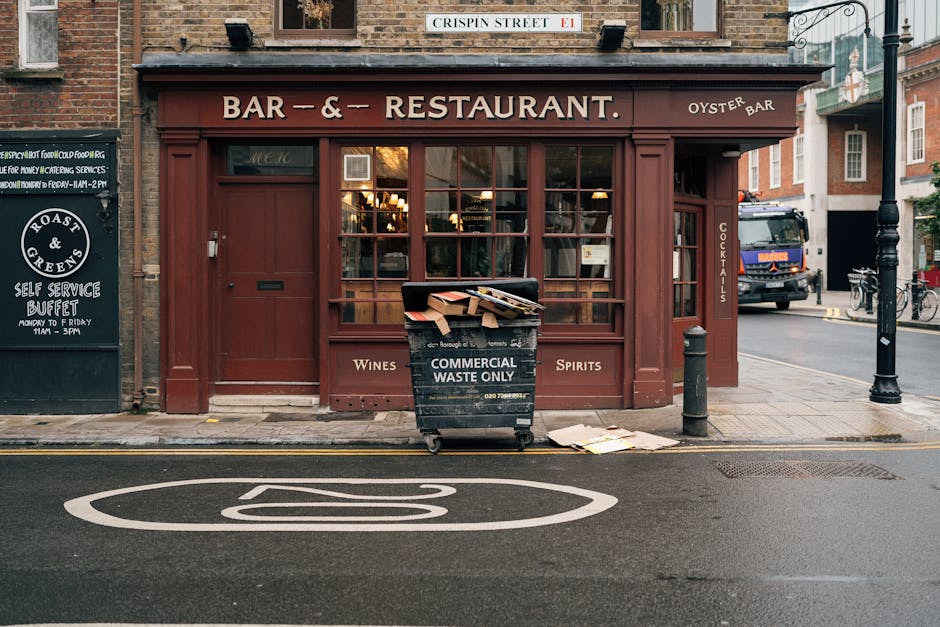
If you're planning a clear-out in Knightsbridge, the last thing you want is a surprise from the...

If you live, work, let, or manage property in Knightsbridge, rubbish disposal can feel oddly...
Hiring rubbish removal in Knightsbridge should feel straightforward, but it often turns messy fast.

Rubbish clearance in Knightsbridge can look straightforward on paper.
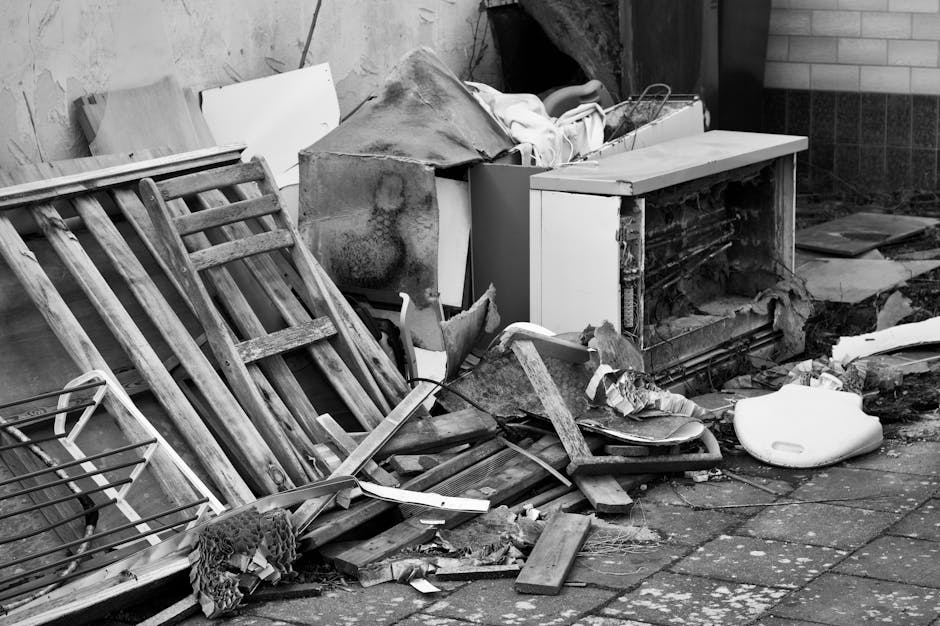
Bulky items have a way of sitting in a flat for longer than you planned. A broken wardrobe. A...

If you need waste gone fast in Knightsbridge, the last thing you want is a surprise fee after the...
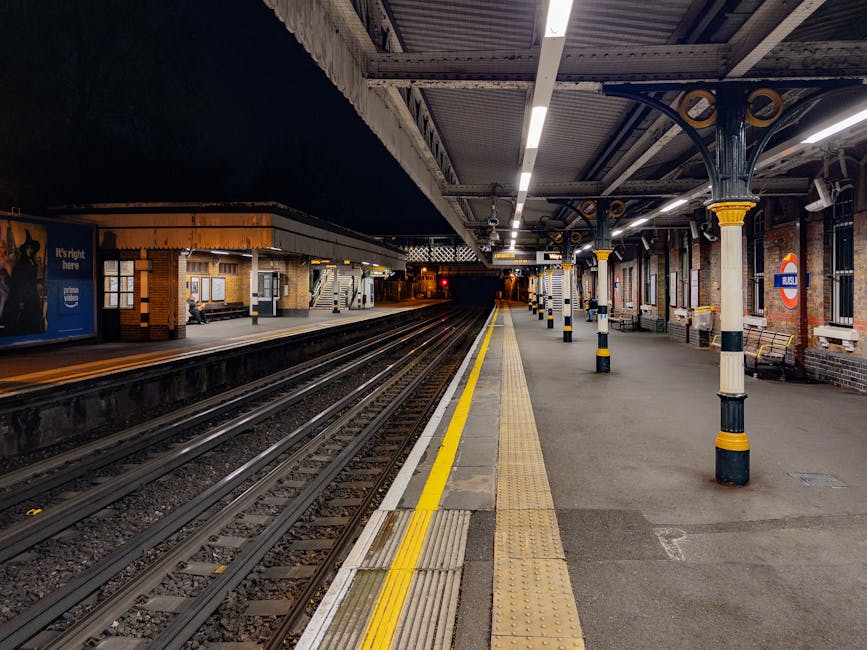
If you are trying to clear unwanted waste close to Knightsbridge tube station, the process can...

If you live, work, or manage property near Sloane Street, rubbish removal can feel oddly tricky...

 (83)
(83)
Please fill out the form below to send us an email and we will get back to you as soon as possible.