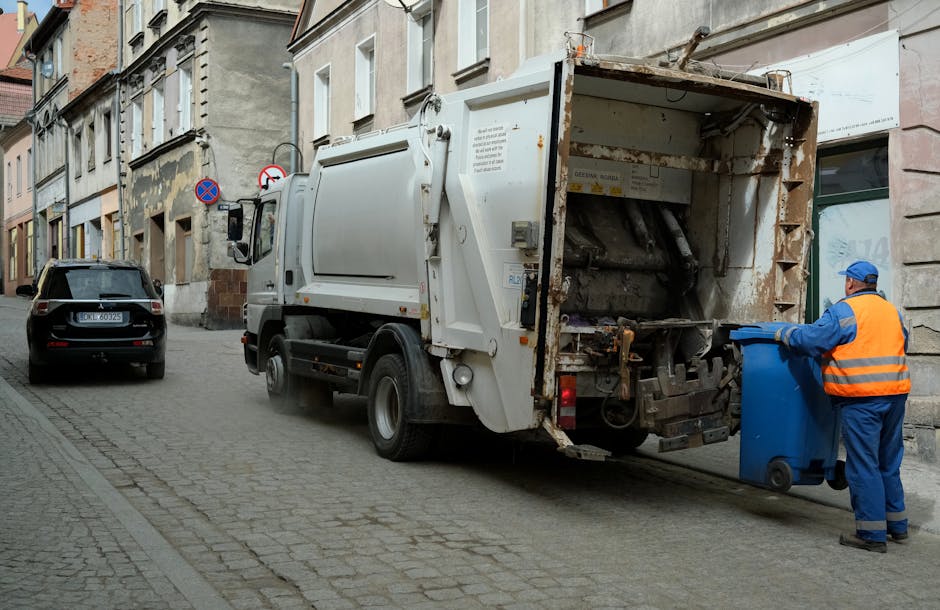
Rubbish removal Sloane Street Knightsbridge tips
Posted on 07/05/2026
Rubbish removal Sloane Street Knightsbridge tips: a practical local guide
If you live, work, or manage property near Sloane Street, rubbish removal can feel oddly tricky for such a polished part of London. Tight access, busy roads, concierge rules, loading limits, and the simple fact that nobody wants a pile of waste sitting outside a premium address can all make the job more involved than it first looks. These Rubbish removal Sloane Street Knightsbridge tips are designed to help you plan better, avoid common headaches, and make cleaner decisions whether you're clearing a flat, a townhouse, a shop unit, or leftover building waste.
Truth be told, most problems start before the rubbish is even moved. The best results usually come from a little planning: knowing what you need removed, checking access, separating reusable items from mixed waste, and choosing a waste provider that can handle the job properly. That's the sort of practical detail that saves time, reduces stress, and usually keeps the bill more sensible too.
Below, you'll find a straightforward guide to how rubbish removal works in this part of Knightsbridge, what to watch out for, and how to pick the right approach for your situation. If you want to go deeper on service types, you can also browse the services overview, or look at specific support like domestic waste collection in Knightsbridge and commercial waste removal.

Why Rubbish removal Sloane Street Knightsbridge tips Matters
Sloane Street sits in one of London's most high-profile neighbourhoods, so rubbish removal there is rarely just a matter of lifting a bag and driving away. Access can be awkward. Parking can be tight. Building rules can be strict. And if you're dealing with a managed property, there may be a concierge, a service lift, or a loading bay schedule to respect. Ignore those details and a simple clear-out can turn into a long afternoon of delays. Not ideal.
Good rubbish removal matters here for a few reasons. First, it helps keep common areas tidy and reduces the risk of complaints from neighbours, building managers, or businesses nearby. Second, it supports responsible disposal, which is particularly important when items can be reused, recycled, or must be handled as specialist waste. Third, in a street where presentation counts, a quick, tidy clearance protects both property value and day-to-day convenience.
There's also a commercial side to this. For landlords, agents, shop owners, and hospitality operators, waste build-up can affect first impressions in a very visible way. A cluttered entrance or skipped clearance date is one of those things people notice instantly, even if they don't say anything. To be fair, nobody wants to step around old packaging, broken furniture, or a tired-looking pile of mixed rubbish at the front door.
If you're planning a larger clearance, it can help to read more about the company's approach to recycling and sustainability so you understand how reusable materials and recoverable waste are typically handled.
How Rubbish removal Sloane Street Knightsbridge tips Works
In practice, rubbish removal in this area usually follows a simple flow, but the details matter. You identify what needs to go, get a quote or estimate, book a collection window, prepare access, and then the team removes the waste and disposes of it through the appropriate channels. That sounds straightforward enough. The real world, as ever, has a few more moving parts.
For a residential collection, you might be clearing bags, old furniture, box packaging, a mattress, or mixed household clutter. For a commercial job, you might be dealing with office furniture, stockroom waste, cardboard, broken fixtures, or end-of-tenancy items. For builders' waste, the load could include rubble, timber, plasterboard, packaging, and offcuts. The type of waste affects both the method and the cost.
A reliable provider should be able to explain how they handle different waste streams, what happens to recyclable material, and whether any items need separate disposal. If a firm is vague about this, ask more questions. Seriously, ask. A clear answer is usually a good sign. You can also check the practical details on waste carrier licence and compliance before you book.
Some removals are arranged as part-load collections, where waste is loaded alongside other jobs in the area, while others are dedicated same-day or scheduled collections. The right choice depends on urgency, volume, and how tightly you need the collection window to fit around building rules or business hours. If your site has limited access, that may influence whether you need a smaller team, a timed slot, or a service that includes manual carrying from inside the property.
Key Benefits and Practical Advantages
When rubbish removal is planned properly, the benefits are bigger than most people expect. It is not just about getting rid of things. It is about reclaiming space, lowering stress, and keeping the property running smoothly.
- Faster turnaround: A well-organised collection clears clutter quickly, especially important for busy households and commercial premises.
- Less disruption: The right team can work around concierge instructions, lift access, and loading restrictions with minimal fuss.
- Better presentation: Clean common areas and cleared rooms make a noticeable difference to guests, tenants, buyers, or customers.
- Responsible disposal: Items can be sorted for reuse, recycling, or specialist handling rather than sent straight to landfill.
- Reduced DIY strain: Heavy lifting, awkward furniture, and multiple trips to disposal sites are avoided.
There's a quieter benefit too: peace of mind. Once the rubbish is gone, the place feels lighter. The room sounds different. Less echo, less clutter, less friction. Maybe that sounds a bit dramatic, but anyone who has lived through a clear-out knows the feeling.
For items like sofas, wardrobes, or office desks, the dedicated furniture removal service in Knightsbridge can be a cleaner fit than trying to move everything yourself. Likewise, if the job includes appliances, a specialist appliance disposal option is often the safer route.
Who This Is For and When It Makes Sense
This kind of local rubbish removal guidance is useful for a surprisingly wide range of people. If you recognise yourself in any of the examples below, the tips here will probably save you time.
- Residents clearing a flat after a refresh, move, or declutter
- Landlords and letting agents preparing a property for new tenants
- Homeowners managing a renovation, loft clear-out, or downsizing project
- Businesses needing regular or one-off commercial waste removal
- Contractors handling builders' waste after refurbishment work
- Concierge teams and property managers coordinating access and resident rules
It also makes sense when you have a mix of waste types and you're not quite sure what goes where. That's common. A kitchen refit, for example, might produce old cupboards, packaging, appliances, and a few bags of general junk all in one go. If the removal provider can handle multiple categories, the whole thing becomes much simpler.
For refurbishment-related jobs, see the focused builders' waste removal in Knightsbridge page. For bigger property clean-outs, the house clearance service is often the more appropriate route.
Step-by-Step Guidance
Here's a practical way to approach rubbish removal near Sloane Street without overcomplicating it.
- List the waste clearly. Make a rough inventory: bags, furniture, appliances, builders' rubble, garden cuttings, or mixed items. Photos help more than people think.
- Separate what should not be mixed. Batteries, paint, chemicals, gas canisters, and certain electrical items may need special handling.
- Check access and timing. Note the floor level, lift availability, stair access, parking constraints, and any building time restrictions.
- Choose the right service type. Domestic, commercial, furniture, builders' waste, or full house clearance - the best fit depends on the load.
- Request a clear quote. Ask what is included, whether labour is included, and what happens if the load changes slightly on the day.
- Prepare the items in advance. Group waste near the access point where possible, but don't block exits or fire routes. Common sense goes a long way.
- Confirm recycling and disposal details. A good provider should explain how waste is processed and where recyclable material goes.
- Keep the final area tidy. A quick sweep after collection can make the space feel properly finished.
A small but useful tip: if you are unsure whether something should be included, mention it before collection day rather than at the last minute. A single awkward item, such as a fridge or a damaged cabinet with hidden fixings, can change how the team needs to plan the job.
Expert Tips for Better Results
After enough clearances, a pattern becomes obvious. The smooth jobs are almost always the ones where someone spent ten minutes preparing properly. Not hours. Just ten minutes. A list, a few photos, and a quick check of access can make a huge difference.
- Take photos in daylight. Natural light makes it easier to judge volume and spot hidden items.
- Estimate by item, not just by room. A mostly empty room can still hide a lot of weight in the corner.
- Ask about handling of mixed loads. Mixed waste can be fine, but some materials are easier to process separately.
- Schedule around building movements. In Knightsbridge, lift windows, concierge handovers, and delivery traffic can matter a lot.
- Keep reusable items apart. If something can be donated or reused, set it aside before the clearance starts.
If you run a business or office space, it's worth linking disposal planning with recycling habits more broadly. The article on workplace recycling best practices is a helpful companion read if you want to reduce recurring waste rather than just clear it once.
One more thing, and this catches people out: don't assume a bigger skip is always the better option. Sometimes a manual clearance is tidier, faster, and cheaper once access, permits, and loading constraints are taken into account. Sometimes not. Depends on the job.

Common Mistakes to Avoid
Most rubbish removal problems are avoidable. The difficult part is noticing them before they cost you time or money.
- Leaving the waste sort until collection day. By then, it often becomes rushed and messy.
- Forgetting building access rules. If the concierge or managing agent has limits, that has to be planned in advance.
- Choosing the wrong service type. Domestic waste, builders' waste, and commercial waste are not always treated the same way.
- Assuming every item can go together. Specialist items need separate attention.
- Not asking about licensing or insurance. If something goes wrong, you want to know the provider is properly set up.
- Ignoring the final quote details. A price that looks fine at first can be less attractive if extra labour or access charges appear later.
There's also the very human mistake of underestimating how much stuff there actually is. We've all done it. A flat that "only needs a few things taken out" somehow turns into a van-load, and then some. The fix is simple: take a proper look before you book.
Tools, Resources and Recommendations
You do not need fancy equipment to manage a clearance well, but a few basic tools and references help.
- Phone camera: Use it to document the job and send accurate photos for quoting.
- Labels or sticky notes: Helpful for separating keep, donate, recycle, and remove piles.
- Protective gloves: A sensible idea if you are sorting sharp or dusty items.
- Measuring tape: Useful for bulky furniture and access checks.
- Checklist on paper or phone: Small, simple, effective.
For service planning, the most useful website pages are usually the ones that answer practical questions before the booking. You can compare the pricing and quotes information, read the insurance and safety guidance, and review the company's about us page if you want a better feel for how they work.
For clients who care about data and site administration, it can also be useful to know where the company stands on privacy, payment and security, and the terms and conditions. Those pages are not exciting, obviously, but they matter more than most people admit.
Law, Compliance, Standards, or Best Practice
Rubbish removal is one of those everyday services where compliance matters quietly in the background. You may not see it, but it should be there. In the UK, waste must be managed responsibly, and anyone transporting waste commercially should be properly authorised. A legitimate provider should be able to show appropriate registration and explain how waste is handled.
For customers, the practical takeaway is simple: do not hand waste to someone who cannot explain where it goes. If a provider is vague, unusually cheap, or avoids basic questions, that's a warning sign. Illegal dumping can create serious problems for property owners and businesses if waste is not handled correctly.
Best practice usually includes:
- using a properly licensed waste carrier
- separating recyclable and specialist items where practical
- keeping an accurate description of the waste removed
- following access, safety, and site rules
- using insured teams for heavier or riskier clearances
If compliance is top of mind, the page on waste carrier licence and compliance gives a useful grounding. That is especially relevant for landlords, agents, building managers, and businesses with regular waste flows.
And yes, waste compliance can sound dry. But it is the sort of dry that saves you a headache later.
Options, Methods, or Comparison Table
The best rubbish removal method depends on access, volume, urgency, and waste type. Here is a straightforward comparison to help you decide.
| Method | Best for | Advantages | Watch-outs |
|---|---|---|---|
| Man-and-van clearance | Mixed household or small commercial loads | Flexible, quick, often easier in tight access areas | Needs good load description and honest quoting |
| Skip hire | Longer projects or larger volumes | Useful for ongoing work, especially renovations | Needs space, may need permits, can be less convenient on busy streets |
| Specialist removal | Furniture, appliances, builders' waste, or clearances with awkward items | Safer handling and more appropriate disposal route | May cost more for specialist items, though often worth it |
| House or flat clearance | Full property clear-outs | Good for end-of-tenancy, probate, downsizing, or major declutter | Needs planning and clear item instructions |
As a rule of thumb, a manual clearance tends to suit Sloane Street better than a bulky, slow approach. Access is often the deciding factor. Not always, but often.
Case Study or Real-World Example
Imagine a second-floor apartment near Sloane Street that is being prepared for sale. The owner has a damaged sofa, two wardrobes, several boxes of old household items, and an appliance that needs removing. There is a service lift, but it runs on a restricted schedule, and the building manager wants notice before any collection.
In a rushed approach, the owner might book a generic collection, forget to mention the lift timing, and leave items spread across several rooms. On the day, the team has to wait, then carry things through narrow hallways while everyone feels slightly frazzled. Not disastrous, but stressful.
Now compare that with a better-prepared version. The owner sends photos, confirms the item list, checks the lift window, and separates a few reusable items from the main waste. The collection is timed properly, the team arrives ready, and everything is removed in one tidy visit. The rooms are cleared, the property photographs better, and the whole thing feels calmer. That is usually the difference good planning makes.
For a similar job involving household clutter rather than just a few items, a house clearance in Knightsbridge may be the better fit. If the flat also contains old cabinets or bulky furniture, the dedicated furniture route can work well too.
Practical Checklist
Use this checklist before booking your collection.
- Have I listed all waste items clearly?
- Do I know which items need specialist disposal?
- Have I checked access, parking, and lift restrictions?
- Have I confirmed whether the job is domestic, commercial, builders', or mixed waste?
- Do I have photos ready for quoting?
- Have I asked about licensing, insurance, and disposal practices?
- Do I understand what is included in the price?
- Have I set aside anything reusable, donateable, or personal?
- Are the collection area and route clear and safe?
- Have I checked the timing against building rules or business hours?
Quick expert summary: the best rubbish removal in Sloane Street and Knightsbridge is usually the one that is properly described, well timed, and handled by a licensed team that understands local access realities. Keep the process simple, keep the communication clear, and do not leave compliance as an afterthought.
If you are comparing providers, focus on clarity rather than flash. A sensible quote, a clear collection plan, and a transparent disposal approach usually beat vague promises every time.
Conclusion
Rubbish removal around Sloane Street works best when you treat it as a small project rather than a last-minute chore. A little planning goes a long way: know your waste, check access, choose the right service, and make sure the provider is properly licensed and insured. That way, the job feels calmer, cleaner, and far less disruptive.
The practical truth is this: in a place like Knightsbridge, presentation and precision matter. Whether you are clearing a home, a shop, or a building site, the right approach keeps everything moving smoothly and helps you avoid awkward surprises. And once the waste is gone, the space genuinely feels better. Lighter, somehow.
Get a free quote today and see how much you can save.
For more context on the company's wider approach, you may also find the pages on recycling and sustainability, insurance and safety, and services overview useful before you book. Little steps, but they help.