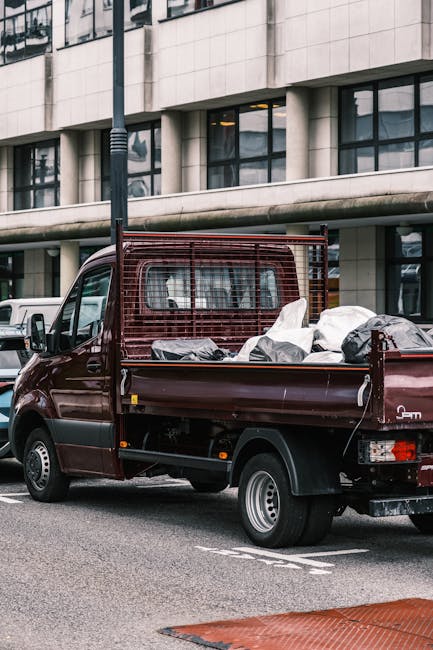
What to know about bulky rubbish removal in Knightsbridge flats
Posted on 10/06/2026
Bulky items have a way of sitting in a flat for longer than you planned. A broken wardrobe. A sagging sofa. That old fridge you keep promising to deal with "next weekend". In Knightsbridge flats, bulky rubbish removal can be a little more involved than people expect, mostly because access is tighter, neighbours are closer, and building rules tend to be stricter. If you are dealing with a one-off clear-out or just trying to reclaim a bit of space, it helps to know how the process works before you start lifting anything heavy.
This guide explains what counts as bulky waste, how collection usually works in apartment buildings, what can affect cost and timing, and how to avoid the kind of mistakes that make a straightforward job awkward. It is written for real-life flat living, not ideal conditions. Because let's face it, most London flats were not designed around moving a three-seater sofa through a narrow stairwell.
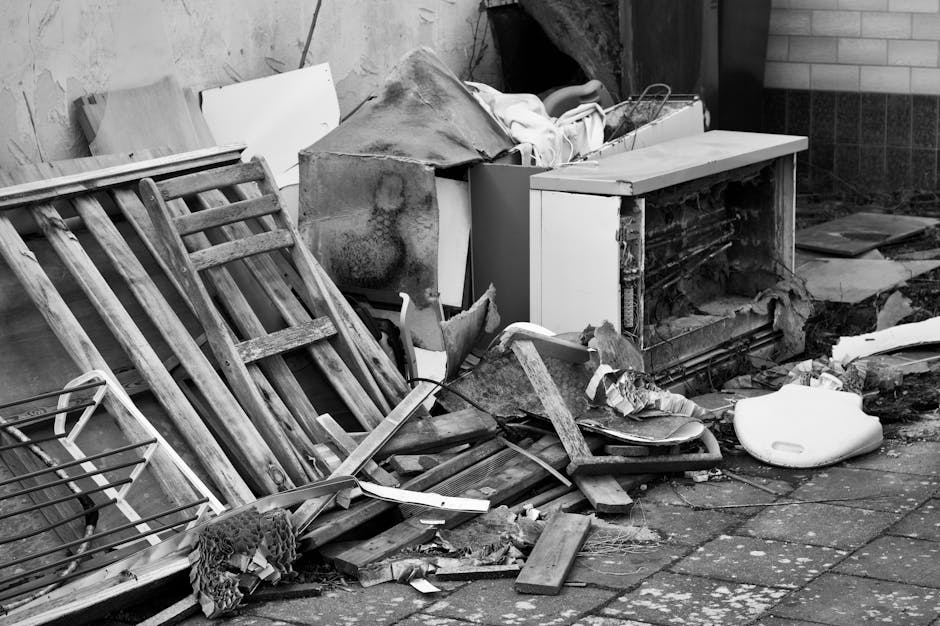
Why bulky rubbish removal in Knightsbridge flats matters
In a flat, bulky waste is not just "more rubbish". It can block hallways, create trip hazards, make fire escape routes messy, and annoy neighbours if it is left in shared spaces too long. In Knightsbridge, where many homes are in managed buildings or period conversions, that matters even more. Building managers usually want communal areas kept clear and tidy, and residents tend to notice anything left in a lobby or on the pavement.
There is also the practical side. Bulky items are awkward to move, often too large for a standard bin store, and sometimes too heavy or fragile for a DIY attempt. If you try to drag a wardrobe down a stairwell without checking the dimensions first, you may end up with chipped paint, scratched walls, or a very awkward conversation with the building manager. Not fun.
Bulky rubbish removal becomes especially useful when you are:
- replacing furniture during a move or refurbishment
- clearing out a spare room, storage cupboard, or basement area
- disposing of damaged appliances after a breakdown
- handling end-of-tenancy or pre-sale tidy-up work
- removing mixed household waste that is too large for normal collection
For many residents, the biggest value is not only convenience. It is peace of mind. Once the space is clear, the whole flat feels lighter somehow. A little less cluttered, a little easier to live in.
If you want to understand the wider service landscape first, it can help to review the services overview and the company's approach to domestic waste collection in Knightsbridge.
How bulky rubbish removal in Knightsbridge flats works
Most bulky rubbish removals in flats follow a fairly simple pattern, even if the building itself is complicated. The provider assesses the items, checks access, agrees a price, then sends a team to remove everything and load it for disposal or recycling. The details matter, though. In a flat, the lift size, stair width, parking access, concierge rules, and collection timing can all affect the job.
What usually happens on the day
- Initial assessment: You describe the items, their approximate size, and where they are located in the flat.
- Access check: The team considers lifts, stairs, parking, loading distance, and any building restrictions.
- Quote confirmation: A clear price should be based on the load, item type, labour required, and any special handling.
- Removal: Items are carried out safely, usually with suitable lifting methods and protective handling where needed.
- Sorting and disposal: Reusable or recyclable material may be separated from residual waste.
Simple enough in theory. In practice, the job can change quickly if a sofa does not fit in the lift or an appliance turns out to be a lot heavier than it looked. That is why accurate description matters. "A small cabinet" and "a solid oak cabinet with no handles removed" are not the same thing at all.
For items that need particular handling, such as fridges or washing machines, specialist disposal may be more appropriate. You can see how that works on the white goods and appliance disposal page. For furniture-heavy clearances, the furniture removal service is often the closest match.
Key benefits and practical advantages
The best bulky waste service does more than just "take stuff away". It saves time, reduces physical strain, and lowers the risk of damage in a building where every corridor and doorway counts. That is especially true in Knightsbridge, where properties often combine valuable interiors with tight access.
- Less lifting for you: No wrestling with awkward items down stairs or into taxis that were never meant for sofas.
- Cleaner shared spaces: Hallways, entrances, and bin stores stay clear and neighbour-friendly.
- Faster turnaround: A good service can clear items in one visit rather than stretching the job over days.
- More suitable disposal: Recyclable materials can be separated, and reusable items may be diverted where appropriate.
- Reduced risk of mistakes: You are less likely to damage walls, flooring, or lifts when trained removers handle the heavy work.
There is a quieter benefit too. People often put off clear-outs because the job feels emotionally bigger than it is. Once you start, the decision fatigue drops away. A room that felt impossible on Monday can feel very manageable by Thursday afternoon. Truth be told, that relief is half the reason people book the service in the first place.
If sustainability matters to you, it is worth reading the company's recycling and sustainability approach as well. Bulky rubbish does not have to mean wasteful disposal.
Who this is for and when it makes sense
Bulky rubbish removal is useful for renters, owners, landlords, and property managers. It is not only for major clear-outs. Sometimes one item is enough to justify a call, especially if it is blocking access or cannot be disposed of through your building's normal arrangements.
Common situations in Knightsbridge flats
- End of tenancy: Tenants need to remove unwanted furniture before handover.
- Flat refresh: Owners swap out old sofas, beds, or wardrobes.
- Appliance failure: A fridge, freezer, or washing machine has reached the end of its life.
- Storage overflow: Items have accumulated in a box room or utility cupboard.
- Refurbishment: Old fittings and bulky household items need clearing before trades arrive.
- Property sale: The flat needs to look lighter, tidier, and more spacious for viewings.
It also makes sense when the building has rules around waste presentation. Some blocks do not allow large items to be left in bin stores or on the street. Others need notice before access to a goods lift or loading bay. If you are unsure, check with your managing agent first. It saves a lot of back-and-forth.
For building-related projects, a related route may be builders waste removal in Knightsbridge, especially where bulky rubbish is part of a refurbishment rather than a simple household clear-out.
Step-by-step guidance
A little planning goes a long way. If you prepare properly, bulky rubbish removal in a Knightsbridge flat becomes much easier, and usually quicker too.
1. Identify exactly what needs to go
Walk through the flat and list each item. Note whether it is furniture, a white good, mixed rubbish, or something awkward like a dismantled bed frame. If an item can be broken down safely, that may reduce the load size and make removal simpler.
2. Measure the awkward pieces
Measure doorways, corridors, stair turns, and lifts if needed. Many problems are caused by one item that is only a few centimetres too wide. It sounds trivial until you are halfway through moving it. Then it is not trivial at all.
3. Check building rules
Speak to your porter, concierge, or managing agent if relevant. Ask about parking access, lift bookings, loading bays, time restrictions, and whether bulky items can be left in any designated area before collection. In some buildings, even a short delay in a shared corridor is frowned upon.
4. Separate reusable, recyclable, and residual waste
If you can set aside items for donation, reuse, or recycling, do it before the removal team arrives. This keeps the job tidy and can reduce the amount that needs disposal. It also helps the team work faster, which is good for everyone.
5. Ask for a clear quote
A proper quote should explain what is included: labour, loading, transport, disposal, and any extra handling. If the price sounds unusually vague, press for clarity. You do not want surprise costs appearing at the end like an unwanted houseguest.
6. Make the route accessible
Move smaller items out of the way, unlock any required doors, and clear a path from the items to the exit. If your flat has narrow hallways, that one extra lamp or plant stand can become weirdly annoying in the moment.
7. Confirm the collection window
In busy central London, timing matters. Allow a little flexibility for traffic, parking, and loading access. Same-day collection is sometimes possible, but only if the provider can safely fit it into the schedule.
If speed is a priority, the company's same-day rubbish removal guidance is worth a look, especially if you want to avoid rushed decisions.
Expert tips for better results
Most of the headaches in flat-based bulky waste jobs come from access and preparation, not from the items themselves. Keep the job simple, and it usually goes well. Keep it vague, and things become messy fast.
- Photograph large items before booking: A few clear photos help with estimating size and access.
- Ask about dismantling: Some furniture is easier and cheaper to remove once legs, drawers, or bed frames are taken apart.
- Protect flooring and walls: If you know the route is tight, lay down protection in advance.
- Bundle similar items together: This makes sorting easier and avoids scattered bits being missed.
- Be honest about weight: "Lightweight" is subjective. A small chest of drawers can still be brutally heavy if it is solid wood.
- Plan around neighbours: Early mornings, school runs, concierge handovers, and lift bookings can all matter in a managed building.
One small but useful habit: keep a "maybe not" pile. If you are undecided about an item, set it aside and revisit it later. The emotional clearance tends to be better when you are not making every decision under pressure.
For residents near busier parts of the area, local logistics can matter a lot. A useful broader read is rubbish clearance near Knightsbridge Tube Station explained, which gives a sense of how access and traffic can affect collection planning.
![A close-up view of a historic building's corner façade in Knightsbridge, featuring ornate stonework and decorative architectural details. The building has a large vertical sign reading 'FEARROD'S' in illuminated letters, positioned on the corner section near the upper floors. The lower part of the building includes tall, arched windows with wood or metal framing, and the windows have decorative elements such as floral motifs. To the right, a traditional streetlamp is visible, along with a London Underground sign indicating proximity to the underground station. The sky above is clear with soft lighting suggesting late afternoon or early evening. The scene reflects the classic city architecture, typically associated with urban environments where private waste collection and rubbish removal services, such as those provided by [COMPANY_NAME], can be employed for maintaining the area’s cleanliness and visual appeal.](/pub/blogphoto/what-to-know-about-bulky-rubbish-removal-in-knightsbridge-flats2.jpg)
Common mistakes to avoid
A bulky rubbish job can go wrong in surprisingly ordinary ways. Most are avoidable if you slow down for five minutes before booking.
- Leaving everything for the last minute: Flat moves and refurbishments are stressful enough without a rushed clearance.
- Guessing the size of the load: A quick estimate is useful, but wildly underestimating the volume can cause delays or price changes.
- Ignoring building restrictions: Some buildings have very specific access rules. If you miss them, you may end up paying in time and frustration.
- Mixing recyclable and non-recyclable items together: This can make sorting harder and may reduce recovery options.
- Using an unverified operator: Always check that the business follows proper compliance and waste-handling standards.
- Forgetting to check appliance contents: Fridges, freezers, and washing machines should be emptied and prepared correctly before removal.
There is also a subtle mistake people make: assuming all bulky waste is the same. It is not. A dismantled bed, a sofa, and a washing machine each have different handling needs. One may require careful lifting, another specialist disposal, and another a quick two-person carry. Sounds obvious, but in the rush, people blend them together.
Tools, resources and recommendations
You do not need much to prepare for a bulky waste collection, but a few simple tools make life easier.
- measuring tape for doorways, lifts, and large items
- basic screwdriver or hex key for safe dismantling
- strong gloves for handling sharp or dusty objects
- labels or sticky notes for separating items by room or priority
- bin bags or boxes for small loose items that might otherwise be overlooked
For service planning, the most useful pages are usually the pricing and quotes information, the insurance and safety page, and the waste carrier licence and compliance guidance. Those pages help you check the basics: what is covered, how the work is handled safely, and whether the provider is set up properly.
If your bulky items are part of a wider household clear-out, the house clearance service may be a better fit than booking item-by-item removal. That is especially true when several rooms need attention rather than just one corner of the flat.
Law, compliance, standards, or best practice
Without getting bogged down in legal jargon, there are a few important principles to keep in mind. Waste must be transferred to a legitimate operator, and the provider should be able to explain how the waste is handled, transported, and disposed of. That matters because, in the UK, the duty of care around waste does not disappear just because the item came from a flat.
For residents, the practical rule is simple: do not hand waste to someone who cannot clearly show they operate responsibly. Good providers should be transparent about their processes, their public liability and safety practices, and their waste handling standards. If something feels off, it probably is.
Best practice also includes:
- clear pricing before work begins
- safe lifting and movement through communal areas
- respect for building rules and neighbour access
- sorting for reuse or recycling where practical
- careful handling of appliances and mixed waste
That same sense of care is reflected in the company's about us page and related policies such as terms and conditions and privacy policy. You may not read those pages every day, fair enough, but they do signal how the business expects to operate.
And yes, responsible disposal should include ethical working practices too. That is why references such as the modern slavery statement matter in the background, even if they are not the first thing a resident thinks about when clearing a sofa.
Options, methods, or comparison table
There are a few ways to deal with bulky rubbish in a Knightsbridge flat. The best choice depends on access, timing, item type, and how much effort you want to put in yourself.
| Method | Best for | Pros | Trade-offs |
|---|---|---|---|
| Self-moving to a local collection point | Small, manageable items | Can be low cost if you already have transport | Time-consuming, heavy lifting, building rules may get in the way |
| Booked bulky item collection | Single items or moderate loads | Convenient, usually straightforward, less physical effort | Needs access planning and accurate item descriptions |
| Full flat clearance | Multiple rooms, end-of-tenancy, refurbishment | Efficient for larger jobs, one coordinated visit | May cost more than a single-item removal |
| Specialist appliance disposal | Fridges, freezers, washing machines, cookers | Proper handling of heavy or regulated items | May require prep, disconnection, or specific access |
In our experience, most flat residents choose between a simple collection and a broader clearance. If the job is only one sofa, keep it simple. If there are six years of "I'll sort that later" piled in the spare room, be honest with yourself and book the more complete option. It saves time, and your back will thank you.
Case study or real-world example
A typical Knightsbridge flat scenario goes something like this. A resident in a two-bedroom apartment near a busy road decides to replace an old sofa bed, a broken bookcase, and a washing machine that has finally given up. At first, it feels like three separate problems. In reality, it is one compact bulky waste job.
The resident checks with the managing agent, confirms there is a goods lift, and measures the hallway bend just in case. The items are photographed, the provider gives a clear quote, and the removal is booked for a late-morning slot to avoid the busiest delivery period. On the day, the team moves the items out in one visit, with the appliance handled separately and the furniture loaded safely.
What made it easy was not luck. It was preparation. The route was clear, the measurements were right, and nobody had to improvise in a narrow staircase while carrying a sofa at an unfortunate angle. That last part is worth avoiding whenever possible.
For readers who are also thinking about other domestic tasks, the related Knightsbridge resident perspective and Sloane Street rubbish removal tips can offer useful local context.
Practical checklist
Use this before you book anything.
- List the items: Write down exactly what needs removing.
- Measure access: Check doors, hallways, stairs, and lift dimensions.
- Ask about building rules: Confirm any time restrictions, permits, or loading rules.
- Separate what can be reused: Donate, recycle, or keep what you do not need removed.
- Take photos: Helpful for quoting and access assessment.
- Confirm the quote: Make sure the price is clear and itemised where possible.
- Prepare the route: Clear obstacles and protect surfaces if needed.
- Check appliance readiness: Empty and prepare white goods properly.
- Keep communication open: Share gate codes, concierge details, and parking information in advance.
- Review disposal standards: Choose a provider that handles waste responsibly.
It sounds simple, and in fairness, most of it is. But simple is good. Simple means fewer surprises on the day.
Get a free quote today and see how much you can save.
Conclusion
Bulky rubbish removal in Knightsbridge flats is really about making a tight, high-value living space easier to live in. The key things to know are straightforward: plan for access, measure properly, understand building rules, and choose a provider that handles waste safely and responsibly. When those pieces are in place, the job is usually much less stressful than people expect.
If you are clearing one awkward item, it may be a quick fix. If you are dealing with several large pieces or a flat that needs a serious reset, a structured collection or full clearance is often the wiser route. Either way, the goal is the same: less clutter, less hassle, and a flat that feels calm again. Nice, really.
And once it is done, there is always that quiet moment when the room looks bigger and the air feels clearer. Small thing, maybe. But sometimes that is exactly what you need.